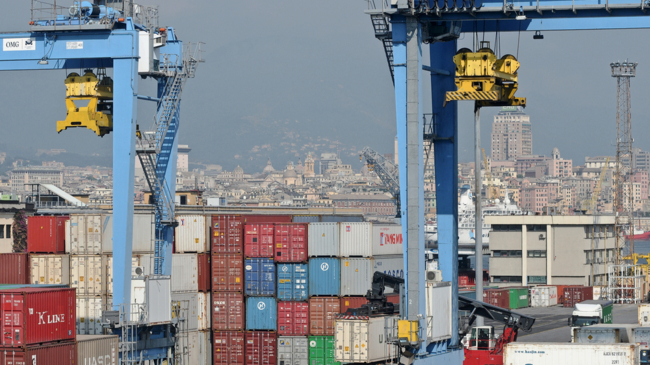
Since the outbreak of the crisis in 2008, world trade has shrunk further and further, and it does not look like it will recover just like that recovering just like that. With the collapse of Hanjin, theSouth Korean giant that dominated for years and became a 'yardstick' for international trade, international trade suddenly shook up. Remediation is now raging in full force in the sector.
For international (logistics) chains, this is a solid wake-up call. More and more products will be produced closer to the market and, on the international political front, protectionism is starting to take hold.
That globalisation is on the wane is also clear from World Trade Organisation (WTO) figures. Since 1989, world trade grew by an average of 1.3 relative to global output to as much as 2.6 just before the Lehman crisis. Since 2012, this has come to a complete halt.
With the election of Donald Trump, the TTP (Trans Pacific Partnership) treaty has already fallen. And given his statements and resistance in Europe, TTIP and TISA will soon follow. Politicians, under pressure from social unrest, will focus more on protecting their own labour markets. Not least because of the emerging robotisation that will increase pressure on the labour market.
A little nightmare for the British. If they persevere with their Brexit, they will fall out of all the larger power blocs (EU-US-Russia-China) Negotiations with power blocs will therefore hit Britain hard.
The rise of protectionism will increasingly force companies to operate more locally and thus revise their international supply chains. Besides the trend that had started a few years of Backsourcing based on quality and consumer preference, cost will now increasingly play a decisive role. With the current developments, supply chains will drastically change in shape and especially in length.
Hans Groen - Supply chain and performance management consultant