While the Dutch unions aggressive react at the choice from delivery service Deliveroo to work only with self-employed workers as delivery drivers, they are a lot more positive in Sweden.
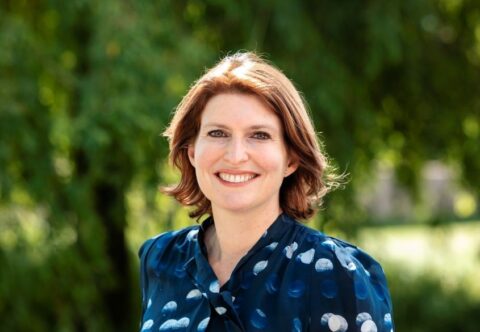
The country's largest union Unionen is entering into talks with the platforms, out of the belief that the delivery sector will eventually comply with collective bargaining. Under the leadership of Fredrik Söderqvist, the international platform Faircrowd.work has been set up, where workers on platforms from Deliveroo and similar initiatives can unite and compare their rights with colleagues abroad.
For Sweden, the dialogue is particularly open because of Söderqvist's stance. The Swede admits to the Financieele Dagblad that he himself uses disruptive platforms such as Uber and Airbnb. 'Their model is to push the legal boundaries, but there are agreements to be made,' the chairman told the newspaper.
Freelancers
A prerequisite for Unionen is the recognition by such sharing platforms that their employees are not actually freelancers. Once that is recognised, employees can be treated better, according to Söderqvist.
At least the Dutch trade union FNV took a different approach: it called on employees of the delivery service to come and demonstrate and lay down their work. "All the company's risks are now being shifted onto us. We do not have the ambition to sit on our bicycles as so-called self-employed entrepreneurs, which is why we are now standing up for ourselves. We just want to work and earn money," said Daan Dorr, delivery driver at Deliveroo.
Read also: Deliveroo delivery workers unite against zzp construction
Söderqvist admits in FD that he is working from a position of luxury: the organisation rate in Sweden is almost 70 per cent compared to the Dutch 18 per cent. It is also not so common in Sweden to work from a freelance agreement and only 4.5 per cent of freelancers depend on a dominant party that the workers cannot work without, such as a platform. In the Netherlands, the figure is 21.1 per cent.