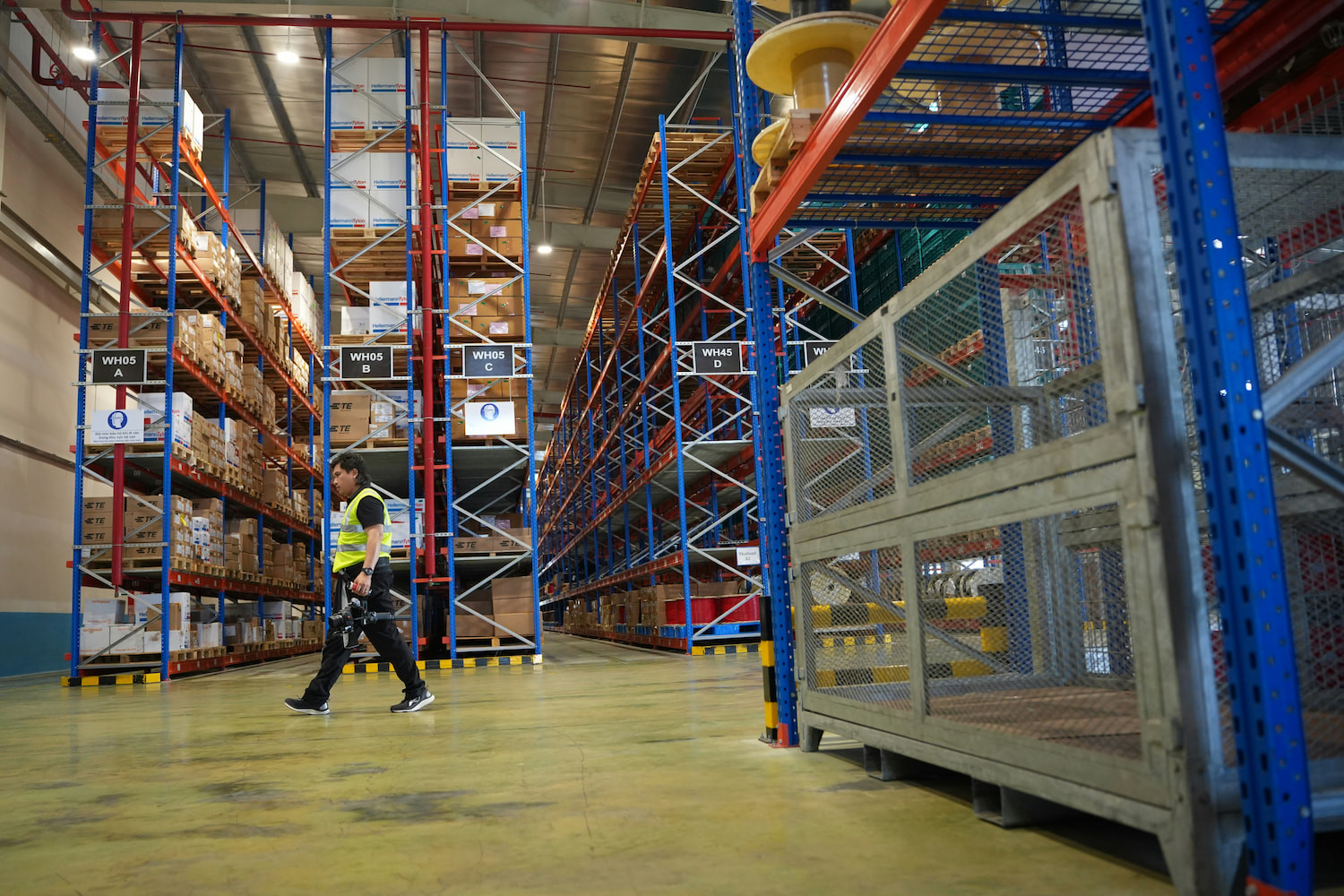
 © Unsplash
Logistics is often one of the largest cost items within a company. Yet many organisations leave money unnoticed here. Small adjustments in processes, transport or storage can quickly make a noticeable difference to overall costs.
Direct answer: Saving costs in logistics starts with insight into processes, transport and storage. By planning smarter, packing more efficiently and reducing waste, companies can significantly reduce their logistics costs without compromising on quality or speed.
Smarter handling of transport costs
Transport often forms the largest part of logistics expenses. Many companies accept these costs as fixed, while there is actually a lot of room for optimisation. Consider, for instance, better planning of routes or combining shipments.
A common mistake is driving vehicles half-empty. This happens faster than you think, especially with urgent deliveries or poor planning. By bundling deliveries and optimising routes, the same capacity can deliver more value. Software tools help with this, but even a simple analysis of trips can provide insight.
In addition, it pays to look critically at carriers. Rates vary and contracts are often negotiable. Those who regularly evaluate and compare avoid paying too much for the same service for years. The key lesson: transport costs are rarely "fixed", but often impressionable.
More efficient stock management reduces waste
Too much stock means unnecessary storage costs. Too little stock leads to rush shipments and missed sales. Finding the balance is essential, but often difficult in practice.
Many companies keep stock "just to be on the safe side". This seems safe, but leads to high costs and obsolete products. By better forecasting and using data, stock can be more accurately matched to demand. Even simple sales analysis provides direction.
Another profit opportunity lies in warehouse layout. Products that are often picked should be close by. This saves time and reduces the risk of errors. Those who regularly restructure the warehouse based on up-to-date data notice that processes run more smoothly and costs decrease.
Optimal use of packaging and loading space
Many companies underestimate how much influence packaging has on costs. Oversized packaging increases transport volume and therefore costs. Moreover, unnecessary air takes up space that could otherwise be used.
By better matching packaging to products, cargo space is used more efficiently. That means more products per shipment and fewer trips. This may seem like a small adjustment, but it can save a lot on an annual basis.
Tools also play a role. Think stackable and reusable solutions such as mesh containers, which contribute to more efficient transport and storage. Such solutions reduce damage, speed up handling and make better use of available space.
The key takeaway: packaging is not only protection, but also a strategic means of reducing costs. Check out Zamko' s website, for example, for more practical solutions. Zamko specialises in collapsible pallet boxes.
Automation and digitalisation as a cost saver
Manual processes cost time and increase the likelihood of errors. Errors, in turn, lead to returns, delays and extra costs. Automation can significantly reduce this.
Think of order processing, stock updates and shipping labels. Digitising these processes creates more overview and less dependence on manual input. This not only saves time, but also increases the reliability of logistics.
A common pitfall is that companies think automation is expensive and complex. In reality, today there are affordable solutions that can be implemented quickly. Start small, for example with inventory management, and then expand. That way it remains manageable and manageable.
Working with the right logistics partners
The choice of partners has a direct impact on costs and efficiency. Not every supplier or transporter matches every organisation. A wrong match leads to inefficiency and frustration.
It is therefore important to look not only at price, but also at flexibility and reliability. A slightly more expensive partner can ultimately be cheaper if processes run more smoothly and errors are reduced.
Practical checklist: where do you start today?
Improving logistics does not have to be complicated. With a few targeted actions, you can soon see results.
- Analyse transport: are vehicles always full?
- Check stock: is there unnecessary downtime?
- Take a look at packaging: is there air in your costs?
- Examine processes: where is time being lost?
- Evaluate partners: are they still delivering the best value?
Choose one component and start working on it first. Small improvements will accumulate and eventually have a big effect. By evaluating regularly, you keep improving and prevent costs from rising unnoticed.
Saving logistics costs with concrete actions for SMEs
Saving costs in logistics does not require large investments, but it does require attention and insight. By taking a critical look at transport, stock, packaging and cooperation, opportunities to work more efficiently arise immediately.
Those who start with small, targeted improvements often notice results quickly. That motivates to further optimise and structurally improve processes. Ultimately, it is not just about saving money, but also about working smarter and getting more control over your logistics.
Frequently asked questions about cost savings in logistics
- What is the fastest way to reduce logistics costs? Start with transport optimisation. By better planning and combining trips, you can often make immediate savings without large investments.
- How do I avoid excessive inventory costs? Use sales data to better match stock to demand. Regular evaluation helps to avoid overstocking.
- Does packaging really affect costs that much? Yes, inefficient packaging leads to more transport volume and higher costs. Small adjustments already make a difference here.
- Is automation always expensive? No, there are many affordable solutions available. Start small and expand step by step.
- When is it time to switch logistics partners? If costs rise for no apparent reason or the service no longer suits your needs, it is wise to compare again.