 © Freepik
The pressure on logistics organisations has increased considerably in recent years. Rising labour costs, a shortage of personnel and increasingly high customer expectations demand more efficient operations. Especially now that fuel prices have recently risen dramatically as a result of the war in Iran. Many companies try to respond to this with improvement actions, but in practice these often remain ad hoc: an adjustment here, a solution there.
The result? Temporary gains, but rarely lasting effects.
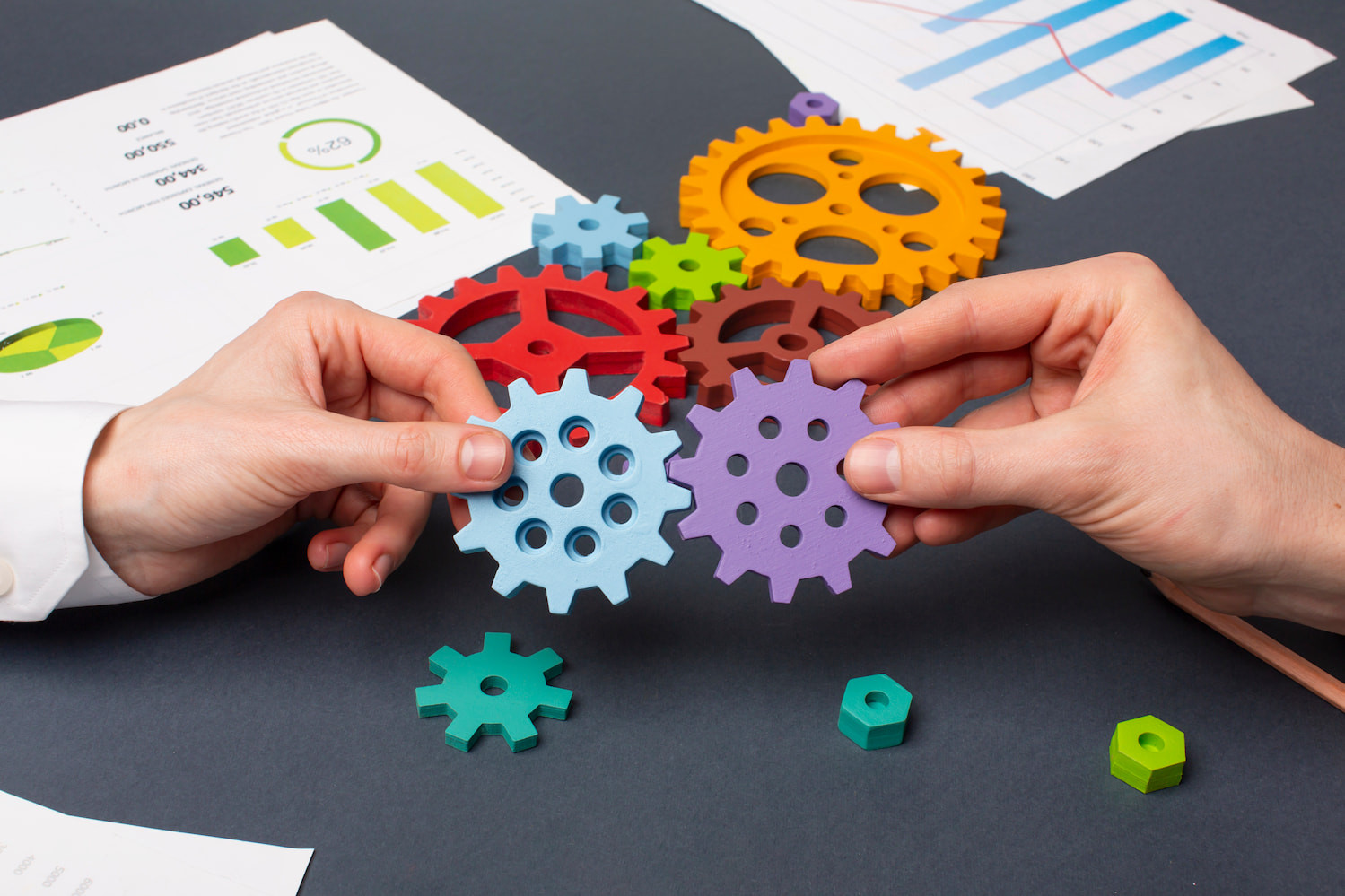
This is precisely why the realisation is growing that process optimisation only works if it is tackled effectively and professionally. No more isolated interventions, but well-considered changes that fit within a bigger picture. This requires a different way of looking at things and working.
From fighting symptoms to coherence
Ad hoc improvements often focus on visible problems, without addressing the underlying cause. Think of adding extra capacity at peak workloads, while the real cause lies in inefficient planning or unclear working arrangements. Without consistency, these kinds of solutions keep recurring.
A structured approach starts with understanding processes from start to finish. Where does waste arise? Where are transfer moments that cause errors? Integral analysis of processes creates room for improvements that are sustainable.
Professional improvement through a different mindset
A structural approach to process optimisation requires more than just good intentions. A training course in logistics process optimisation provides a good basis.
Methodologies such as Lean and Lean Six Sigma, for example, help organisations not only identify improvements, but also systematically implement and secure them. Lean focuses on continuously eliminating waste and optimising flow, while Lean Six Sigma adds a data-driven approach. Measuring, analysing and targeting process improvement according to set steps (such as the DMAIC cycle) creates an approach that goes beyond gut feeling and loose initiatives. Such training aimed at project management can give organisations the tools and the mindset to realise and sustain improvements effectively.
Process optimisation as an organisation-wide discipline
The real added value of a professional approach arises when process optimisation is carried organisation-wide. Not as separate projects within one department, but as a joint way of working. This requires clear priorities, committed leadership and a culture in which improvement is central.
For organisations that want to take this step, professional help for business-focused improvements can help anchor both methodology and mindset.
Companies that take this step leave the phase of isolated improvement actions behind. They are building an organisation that continuously learns and adapts. In a sector where change is the norm, it is precisely this structural approach that makes the difference between reacting and thinking ahead.
Process optimisation is thus not a temporary solution, but a strategic choice. Organisations that get this right create a sustainable lead. Not by working harder, but by organising smarter.