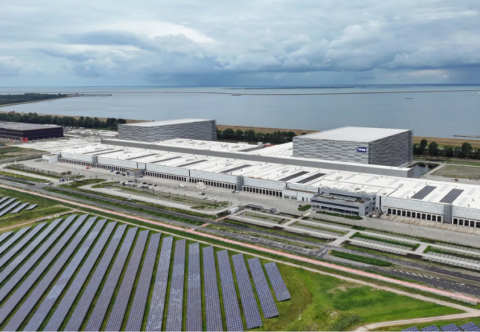
Benelux remains a good location for logistics companies. Research shows that, as in 2013, Venlo leads the way. Followed by Rotterdam and Antwerp-Brussels. Surprisingly, central Brabant and eastern Brabant have also entered the top ten. Those regions rank fourth and fifth, according to the most recent survey commissioned by Prologis.
The top five locations are all in the Benelux and are praised by respondents for their good infrastructure and proximity to customers and suppliers. "Venlo was once again chosen as Europe's most attractive location. Just like in 2013 when the survey was conducted for the first time. Especially on the aspects 'availability of land', 'access to transport', 'transport costs' and 'legislation' ", reports Prologis. The competition that the Netherlands faces from Belgium and Germany is cut-throat. Our neighbouring countries follow closely in the list of best locations.
Reason survey
Prologis Europe managing director Ben Bannatyne welcomes the survey and explains why it matters. "The survey is vital because it helps our customers understand current and future distribution requirements. Users of logistics facilities are constantly optimising their distribution strategy to provide a high service level for the lowest cost. The European market is driven by long-term trends such as proximity to economic networks, consolidation and access to human resources. Logistics corridors and locations located near the largest urban areas are likely to benefit the most."
Criteria
The report looks at several criteria, some of which weigh more heavily than others. In particular, the needs of owners and users of logistics real estate were looked at a lot. "This is in light of strong structural changes currently underway in the market. Indeed, the reconfiguration of the supply chain and the rise of e-commerce are creating strong demand for modern, efficient distribution facilities in Europe."
Good locations
The researcher looked mainly at: proximity to customers and suppliers, labour availability and government flexibility, availability of land/existing storage space and real estate costs, and quality and proximity to infrastructure, including economic networks and strategic access to transport.
Editorial LogistiekProfs
Stay up to date
Sign up now for the LogistiekProfs newsletter and receive the latest news, trends and offers.