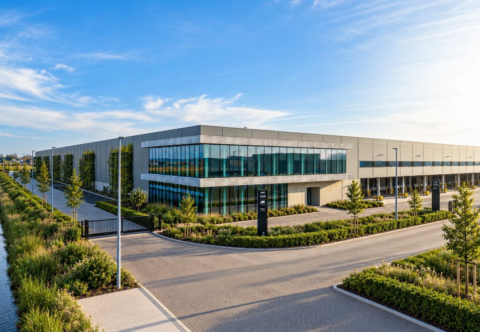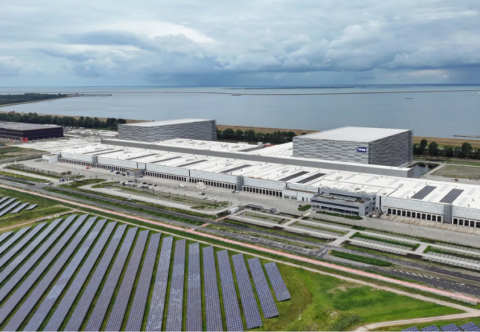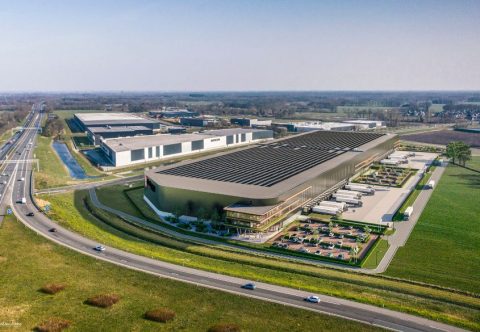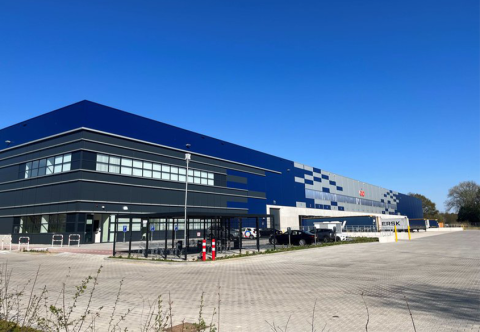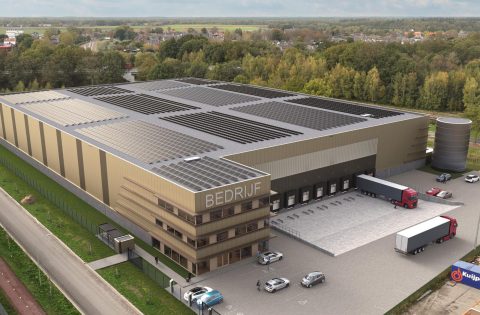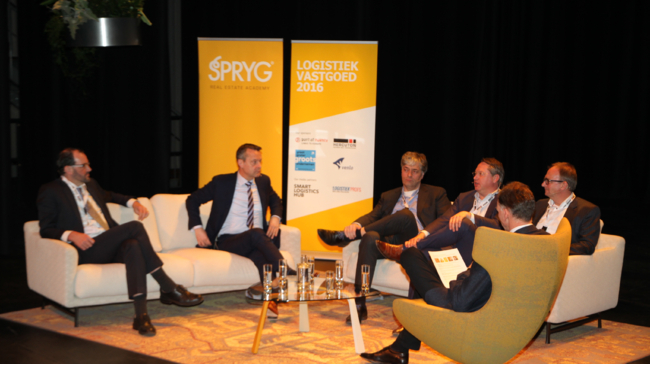
There is a threat of a proliferation of logistics hotspots. Every municipality with a surplus of business parks wants to benefit from the big growth the logistics real estate sector is currently experiencing. However, to be a logistics hotspot requires more than square metres, it emerged during Logistic Real Estate 2016, Spryg Real Estate Academy's conference.
Arthur van Dijk, chairman of Transport & Logistiek Nederland (TLN), conjures up a map of the most important logistics hotspots in his opening speech. "Do you know how many logistics hotspots we have in the Netherlands? I think one more will be added today," Van Dijk speaks with slight irony in his voice.
TLN receives daily calls from municipalities that want to give their business parks a logistics destination. "Can this growth of logistics hotspots continue unrestrained or do we have to make choices? Not every municipality can just copy what happens in Venlo or Tilburg. That has to do with vision. Venlo started doing that 15 years ago," Van Dijk says.
"Don't do it"
That municipalities are showing interest in logistics is not surprising. Sven Bertens, head of research at Jones Lang LaSalle, shows after Van Dijk the figures that show that in 2015, more logistics properties were put into use than ever before. "New construction is very interesting at the moment. Land prices are falling, while construction costs, among other things, have stabilised," Bertens explains.
Bertens also immediately placed a caveat. "If we look at the locations of all that new logistics real estate, 53 per cent is situated in the 10 most important hotspots and 70 per cent in the 20 most important hotspots. Does it then make sense for other municipalities to develop in this area? Don't," is Bertens' advice to all those municipalities, many of which are in the room.
Availability of labour
Bertens indicates that only multimodal locations qualify as logistics hotspots. It is not for nothing that municipalities like Venlo are investing in rail terminals, among others. "Eighty per cent of the operational costs of a distribution centre are transport costs. So the choice of location is hugely important, more important than, say, the land price. The cost of logistics property is no more than five per cent of operational costs."
Hub Ploem, senior advisor at Stec Group, after Bertens shows the results of a survey of two hundred logistics service providers and shippers. This shows that companies are guided in their choice of location not only by transport costs, but also by the availability and cost of labour. "That may become a determining factor in the future. We really need to make choices in the oversupply of business parks in the region. Making choices is difficult, but necessary. Here and there, you already see competition between neighbouring municipalities emerging. That is not good for prices and not good for logistics Netherlands."
Best starting position
Van Dijk calls on the government to develop a vision for logistics together with the sector. "Where do we want logistics Netherlands to be in ten years' time? Who will be our buyers and sellers then? One of the themes at this congress is the circular economy. If we dare to have a vision on that development, we can still be Europe's leading logistics hotspot in ten years' time. We have the best starting position in the Netherlands."
Logistics hotspots should also have a place in such a vision. It should also pay attention to infrastructure. Van Dijk: "Here, we should not only look at road transport, but also at water and rail. If the Second Maasvlakte really becomes a success, we will transport many more containers by road in the Netherlands. If we dare to develop a vision, it will pay off. We see that here in Venlo"
Marcel te Lindert - Journalist logistics and supply chain management
Stay up to date
Sign up now for the LogistiekProfs newsletter and receive the latest news, trends and offers.