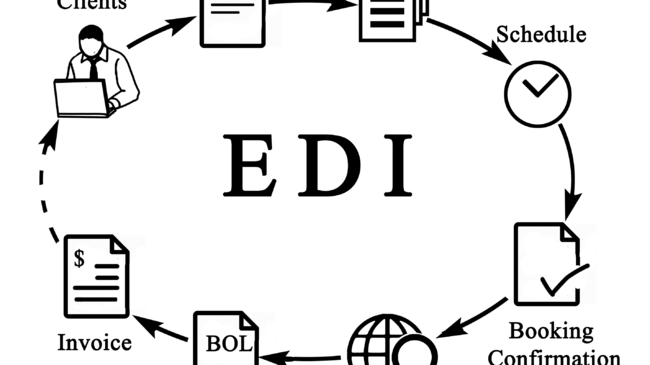
Despite many companies in the Netherlands and Belgium seeing the usefulness of Electronic Data Interchange (EDI), there is a lack of knowledge within many companies.
Nevertheless, many companies are enthusiastic: 80 per cent of Dutch and Belgian manufacturers, suppliers, retailers and logistics service providers call Electronic Data Interchange (EDI) a business-critical facility within the organisation. More and more logistics employers require their suppliers to have knowledge of the system, which allows the exchange of orders, packing slips and invoices, among other things.
Yet that knowledge is by no means present internally at all of the 140 companies surveyed: a limitation to the success rate according to almost 57 per cent of those surveyed. At the same time, according to the Descartes Systems Group researchers, there are also growth opportunities there: according to the survey, almost two-thirds (61 per cent) of respondents expect EDI to become even more important for communication with other parties in the future.
Developments
Now there are often one or two employees who have knowledge of the system, while that is actually too little. Organisations say they need higher-level knowledge that is also more widely available. However, continuous developments in the industry are a stumbling block in this respect: keeping knowledge up to date takes a lot of time.
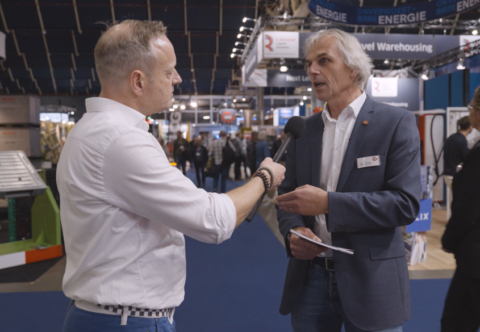
That flexibility and scalability of the market is precisely the way to deploy EDI, according to Fred van der Heide, Vice-President of Product Strategy at Descartes. "To compete in a rapidly changing economy, you need to be flexible as an organisation. This is precisely why EDI comes into its own." always be deployed in the most effective way."