Blockchain should soon make the Port of Rotterdam the smartest in the world. A special team will get the port as a testing ground to test innovations and solutions.
Making a digital transaction without third-party intervention. It seems so simple, but the technology behind it (called blockchain) is revolutionary. Because checks and balances are done by data technology, large networks, chains and markets can interact many times more efficiently without the need for a regulator.
This is what the municipality of Rotterdam is now going to use for its port, one of the largest in the world. A lab, called Blocklab, will be used to create a testing ground where applications and solutions can be developed and tested. One of the first things that will now be tested is an application for inventory financing in port logistics, developed together with Exact and ABN Amro.
Knowledge
Other examples of using blockchain in the port include setting up a decentralised energy network in which companies trade residual heat among themselves and city residents trade electricity. To make this technology usable later for other areas in the city, the lab is also being used as a source of knowledge for the regional business community and a curriculum is being developed with the Rotterdam University of Applied Sciences to gather more knowledge.
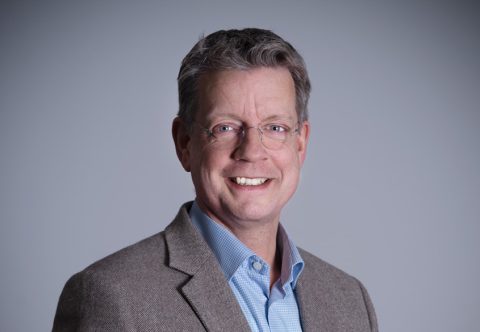
Allard Castelein, President and CEO of the Port of Rotterdam Authority, mentioned efficiency in particular during the opening of the centre. 'I'm thinking of the many applications that blockchain enables within logistics chains to organise flows of goods more efficiently. This step fits perfectly with our 'smartest port' ambitions. Incidentally, Rotterdam is not the only sector working with the technology: the transport & logistics sector also announced last year its intention to start a major project.
Blocklab is an initiative of the municipality of Rotterdam and the Port of Rotterdam Authority. They are also doing the financing, supported by the regional development company InnovationQuarter.