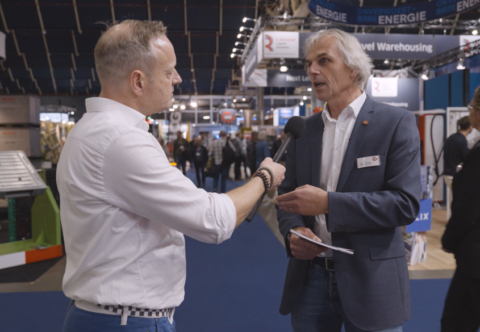
On 7 and 8 November is the day, ICT & Logistics in Jaarbeurs Utrecht. At first glance, that seems a strange combination, ICT and Logistics, but more and more and more, logistics consists of being able to apply ICT properly. This even goes so far that the logistics manager will also have to become an ICT manager. The main reasons are as follows.
Author: Professor Jack van der Veen is Professor of Supply Chain Management at the evofenedex chair at Nyenrode Business University.
Streams
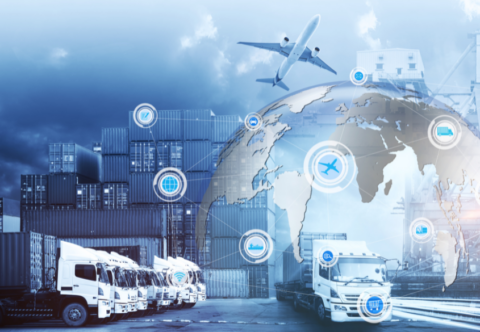
In essence, logistics is about controlling the flow of goods within and between organisations. In addition, ICT is about the systems and applications used to control information flows. Of course, the two flows are not independent; better and more information exchange leads to better logistics. By improving the information flow, production resources can be better utilised and delivery reliability can be increased, at lower inventories.
Start
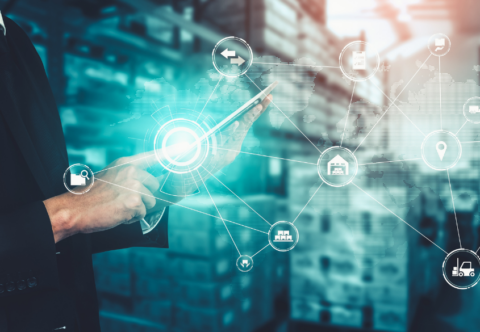
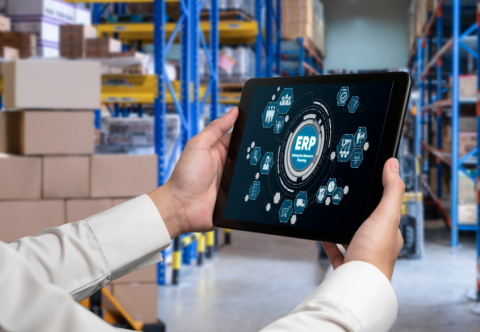
For years, logistics has been a major consumer of applications such as ERP, WMS and TMS; we can no longer live without them. Yet that is only the beginning. All kinds of new technologies have become available in recent years that can further improve logistics processes; for example, augmented reality, robotisation, platooning, internet of things and blockchain. And, of course, it is mainly up to logistics managers to apply these technologies within the supply chain.
Control tower
Digitising (logistics) processes also creates a rich variety of information from different sources; the famous Big Data. At the same time, the accessibility and user-friendliness of 'operations research' methods, such as business analytics, simulation packages and optimisation algorithms, has greatly improved. By harnessing these new capabilities, for example through a control tower, organisations can make significant logistics optimisation gains. At least, if the logistics manager is on board.
Broodnodig
One of the main trends of recent years is that logistics is also increasingly being called upon to perform in the field of sustainability. Whether it is about energy transition and CO2 emissions (e.g. electric driving), social (mal)conditions in the supply chain or about return flows, reuse and cradle-to-cradle; here, too, new technologies are much needed to achieve substantial logistics sustainability improvements.
Distruption
Perhaps the most important reason for logistics professionals to get involved in ICT is the fact that new technologies can lead to a disruption of the entire chain; think, for example, of what happened to Kodak, the newspapers and retail. Such disruptions often also mean a fundamental repositioning of logistics; see, for example, the crucial role of e-fulfillment. In short, in order not to be surprised by developments, the logistics manager will also have to become an ICT manager.
This article was previously posted on evofenedex Getting started with ICT? Then come to the ICT & Logistics trade fair in Jaarbeurs Utrecht on 7 and 8 November. You can register here.