The letters AI stand for 'artificial intelligence'. This is the phenomenon where devices respond to data or impulses from the environment when making independent decisions. To expert Sebastian Piest four questions about AI in logistics.
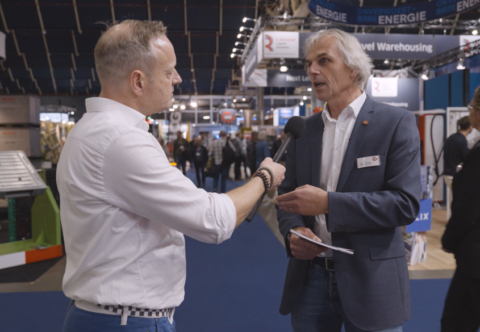
Sebastian Piest is a researcher at Twente University of Technology and an expert on artificial intelligence (AI), or artificial intelligence. He leads a large research project on AI and was a guest speaker at a meeting of evofenedex's Council for Logistics Knowledge at the end of September at NSK in Tilburg. How does Piest think about AI in logistics?
1. At what point is AI really going to play a role in logistics?
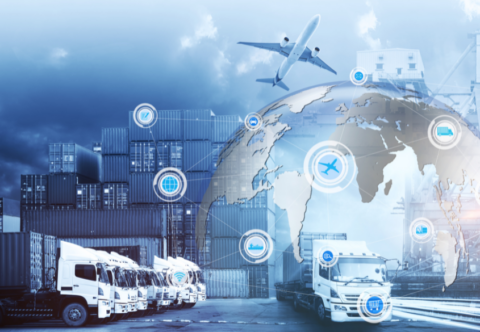
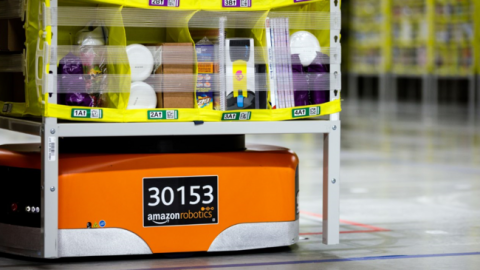
"The speed depends on many factors. You can already conclude that AI is present in logistics practices in sub-areas. Think of autonomous order pickers, self-learning storage and sorting systems and smart software for route planning and optimisation. It is now mainly the big companies where AI projects are running and where they are being implemented within logistics, but there is a lot going on."
2. Is logistics ready (in time) for AI?
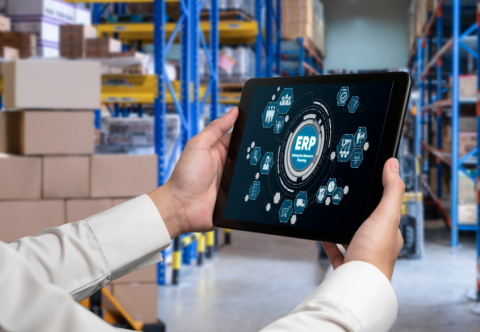
"Logistics by nature has a network structure and access to a lot of (semi-) real-time data. This puts logistics in a unique position, but despite various initiatives, there is little real standardisation in practice. It will be a mega task to then collect, clean up, harmonise and keep track of data adequately and efficiently. This necessitates investments in IT and close cooperation with domain experts."
3. But what Is it like for humans? Is it ready (in time) for AI in logistics?
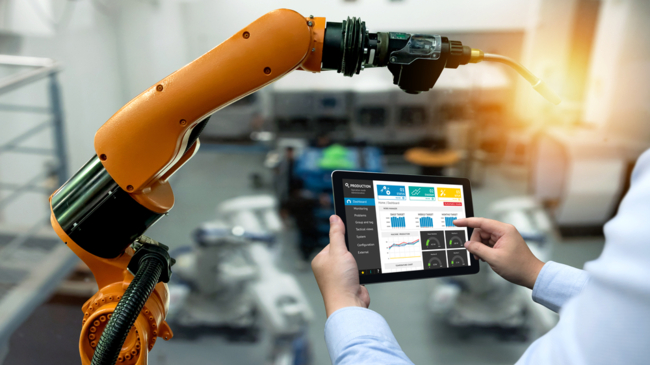
"The rise of AI mainly causes a shift in work. Operationally, jobs will disappear, due to robotisation and automation, but AI will create new jobs in other areas. Logistics professionals will face more complex systems and be challenged to work with large data sets with the advent of AI. Implementing AI will require social innovation and behavioural change."
4. Is the government ready (in time) for AI in logistics?
"At the European level, laws and regulations are in the making. Existing laws and regulations will have to be reviewed and expanded in a number of areas with the rise of AI. If autonomy is shifted from humans to machines, who will be responsible and liable? And apart from autonomy, public safety and privacy are areas of concern."
This article is part of Evofenedex's ICT&Logistics special. Also getting started with AI? Then come to the ICT & Logistics trade fair in Jaarbeurs Utrecht on 7 and 8 November. You can register here.