Despite a sharp increase in operating costs, the logistics sector posted higher revenue and profit growth in 2018 than in the previous year. The inland shipping sector's results are particularly notable.

This is according to the new SRA report 'Branches in Zicht 2019, the hard figures of Dutch companies'. Turnover in logistics rose by 8.7 per cent in 2018, roughly double that of a year earlier. Profit before tax was even 20.7 per cent higher. Gross margin increased by 10.8 per cent.
Tight labour market
Regardless of the fine figures, a large number of entrepreneurs in logistics see the increasingly tight labour market as an obstacle to further growth. The industry has a severe shortage of drivers. More people are going to work in the logistics sector, but the shortage remains severe. Harry Marissen, SRA board member: "This is partly due to an ageing population and low intake from education. The industry is therefore focusing on lateral recruitment, but also on the sustainable employability of employees."
Positive year for inland shipping
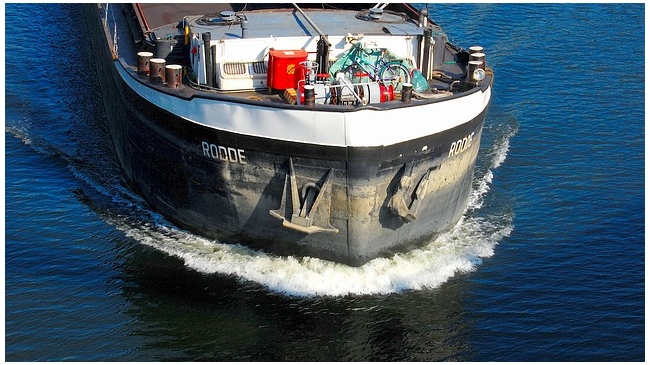
Looking at the various sub-branches, the results of inland navigation stand out in particular. Inland shippers benefited from extremely low water levels in 2018. This allowed shippers to carry less cargo and gave them a good bargaining position to ask for higher freight rates. They also received a low-water surcharge to offset additional costs.
Road freight transport managed to recover well from a difficult 2017. In this sub-industry, personnel costs, accounting for about 50 per cent of total costs, increased relatively modestly.
Increase in operating costs
Logistics companies' operating costs rose by almost 10 per cent, versus a 5 per cent increase in 2017. Personnel costs rose by almost 10 per cent, which is almost twice as fast as a year earlier. In particular, the item 'Other personnel costs', which includes expenditure on flexible workers, changed significantly: from a decrease of over 13 per cent in 2017 to an increase of over 4 per cent in 2018. Labour costs increased by over 10 per cent, versus 8 per cent a year earlier.











