Tomorrow's supply chain will increasingly revolve around flexibility and speed. Warehouses play a crucial role in this process. In this piece, seven recommendations you should pay attention to.
It's not getting any easier. Response times from the warehouse need to improve. Being flexible and being able to deal with a wide variety of SKUs makes it even harder to determine a good layout. What works today may be obsolete tomorrow. A standard approach, one size fits all, is no longer going to work. Still, there are a few things you need to consider.
Know your customer
Or rather: know your customer's market and processes. Good analysis of the processes, products, product and market requirements is an important prerequisite before you get started. It is also important that you know the other parties in the chain and what their role and performance is. How do they deliver? Can they move easily or are they stuck in fixed delivery patterns and use of type of transport and SKU carriers?
Modular building
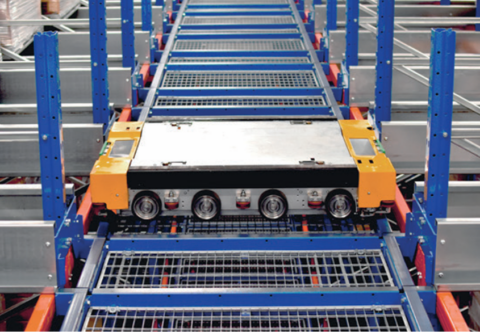
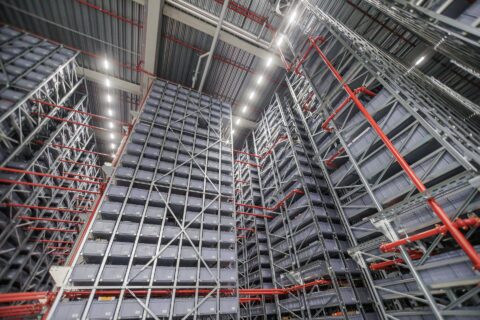
Adopt an approach where modular design is possible. This offers options to remain flexible and scalable. Choose multi-tier solutions and pick solutions that can be expanded.
Listen to your staff
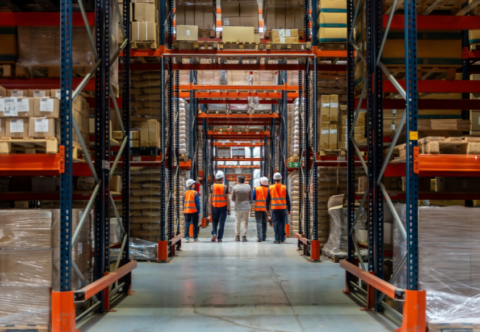
Besides the immense amount of information often extracted from ERP or WMS systems, essential information lies on the shop floor. What problems are they running into? They know well which SKUs are causing problems and where the picking problems lie. Putting their knowledge alongside your data analysis quickly gives you a good and complete insight into what your warehouse needs to comply with.
Pay attention to future flows
Predictive analyses allow you to see new developments coming in time. Which products or product groups are growing or shrinking? Good predictive analyses can ensure that you can adjust your operation in time. The latest Warehouse Execution Software offers better and better possibilities in this area. Do not skimp on this. The days of Excel sheets for managing your warehouse and goods flows are behind you.
Make choices
Try not to include all SKUs. This makes the process unnecessarily complex and especially expensive. Also pay attention to what the seasonal or occasional products are. The exceptions should also be treated as such. Focus on the larger structural flows you want to process.
Bottlenecks
Your output is as big as the capacity of your main bottleneck. And every warehouse manager knows his bottlenecks. From fastmovers that are not easily accessible to pickers or congestion of internal traffic. They are unavoidable but you can make them as small as possible. During the design of your warehouse, it is therefore important to understand your bottlenecks. Design different scenarios and have them calculated. Costly? A poorly designed warehouse will ultimately cost you more.
Good software
Besides the physical conditions, having an uptodate software is essential. It must be able to cope well with multisite and multicustomer challenges. Be able to provide the right real-time reports but also be able to deal with your bottlenecks. Also pay attention to the comptability of your equipment and software. You will not be the first to find out at the last minute that the terminals and WMS do not work well together.
Another issue here is the number of wireless points in your warehouse. Pay attention to the maximum load per point and that you have enough wireless points. Too few points can lead to loss of information or congestion on your digital lines, resulting in slower information processing.
Editorial LogistiekProfs