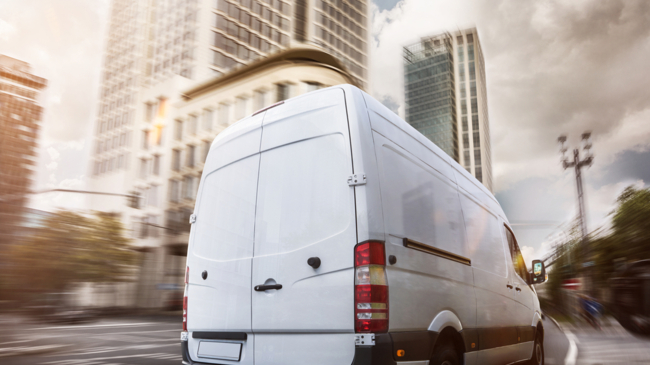
Using a mathematical model, municipalities can optimise their urban distribution and reduce emissions in cities by 70 per cent. In particular, the use of consolidation centres plays a major role.
So concludes researcher Wouter van Heeswijk in his PhD thesis at the University of Twente. Van Heeswijk designed a mathematical model that can determine the optimal mix of factors for sustainable urban distribution, taking into account factors such as subsidies, regulations and transport schedules. It also includes initiatives such as information exchange and cooperation between transport companies.
According to Van Heeswijk, it is very important to make optimal use of consolidation centres, where trucks can drop off their loads. "Often, large trucks drive into a city with a small load. Just look around a big city with Google Street View." The consolidation centre spreads the collected cargo around the city as efficiently as possible. Van Heeswijk: "In practice, these consolidation centres do not yet work well. That requires government intervention."
Van Heeswijk advocates a mix of subsidies for the use of the consolidation centre. Financial incentives should prevent low-cargo trucks from entering the city. "It's important to have a national or European policy so that cities are aligned. If you leave it to the market then a consolidation centre will not work. But if on the one hand you make it financially unattractive for companies to drive into cities and on the other hand provide subsidies to use consolidation centres then you achieve your goal."
Editorial LogistiekProfs











