The European Union and the United Kingdom have reached an agreement in principle on the Brexit. It is awaiting approval from EU leaders and the UK parliament. Already three times before, a draft agreement was rejected by the British House of Commons.
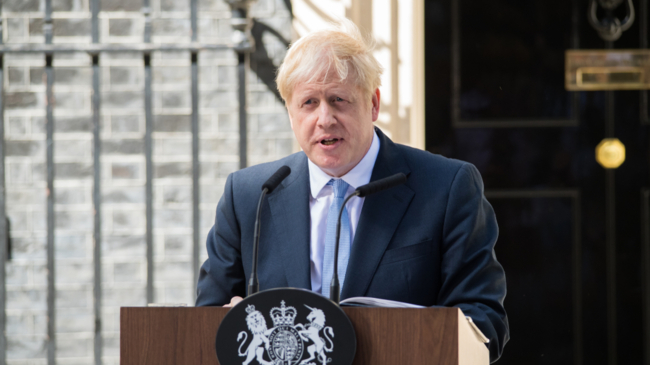
Jean Claude Juncker speaks of a 'fair and balanced agreement'. The president of the European Commission is advising EU leaders to vote in favour of the deal, and British Prime Minister Boris Johnson is also hoping for an agreement from the British parliament, so that the government can refocus on other priorities. The outcome remains to be seen; many British politicians have expressed negative views on the deal.
Border controls Ireland
In the new agreement in principle, agreements on the border between Ireland and Northern Ireland - which is leaving the EU with Britain - have been adjusted. Northern Ireland will soon be subject to British customs rules on paper. In practice, it will continue to follow EU rules, making border controls with Ireland unnecessary.
31 October
On Saturday, the House of Commons will vote on the deal. The UK's departure from the European Union is scheduled for 31 October. If a deal is agreed, a transitional phase will then go into effect until 31 December 2020. During this period, all EU rules and laws will remain in force for the UK. With a no deal, that transition period does not apply, resulting in an immediate end to free trade. This could have negative consequences for companies in transport and logistics.











