World-renowned coffee cup manufacturer has been doing it for years: selling directly to consumers. This phenomenon, Direct-to-Consumer(D2C), is increasingly on the rise. "Manufacturers take matters into their own hands: direct sales to consumers," headlines an article at RTLZ. "Increasingly buying coffee, beer and spices directly from the manufacturer," NOS reports. Is this a logical consequence of developments in the market? Or does it have to do with increasingly high consumer expectations? One thing is certain: this trend is changing the market and this is affecting the position of consumers, suppliers and retailers alike.
Producer and supplier position
Not because you have to, but because you can. Thanks to the internet, selling products is open to more parties than just retailers. And so, as a manufacturer, why not take advantage of this opportunity? After all, direct contact with consumers is a connection that offers a lot of valuable information about customers' wants and needs. Of course, selling without an intermediary also has financial advantages. In addition, thanks to D2C, producers and suppliers no longer depend on external outlets to surprise customers and offer them the experience they are looking for. And that, of course, is an ideal position to build a strong brand.
The position of the customer
Manufacturers may offer their products directly to consumers, but why should they buy directly from a manufacturer? That has everything to do with the age-old saying 'the customer is king'. This is perhaps more applicable today than ever. Consumers have increasingly high expectations and demand more and more from manufacturers, suppliers and retailers. Above all, they want more convenience in the purchasing process. In addition, information about the origin of products is increasingly important. For instance, consumers only want to buy organic or fair trade products. For consumers, D2C is a godsend. It means even more parties are doing their utmost to win over potential customers. And in doing so, they meet consumers' greatest need: more convenience.
The retailer's position
If D2C brings so many benefits, why do a large proportion of brands still sell through a middleman? For the reason that selling directly to consumers also brings uncertainties. With retailers, manufacturers and suppliers often have big deals in place. Agreements have been made on fixed deliveries in large quantities. This gives them certainty about their sales and therefore revenue. Consumers, on the other hand, are much more unpredictable. They buy products according to demand, which is very variable. So for producers and suppliers, choosing D2C also means choosing greater uncertainty. The advantage for retailers is that this leaves them in a strong position. After all, they can offer that certainty of expected sales. Moreover, the need for convenience continues to play an important role for consumers, making them only too happy to continue doing their daily shopping in a supermarket.
Logistics implications
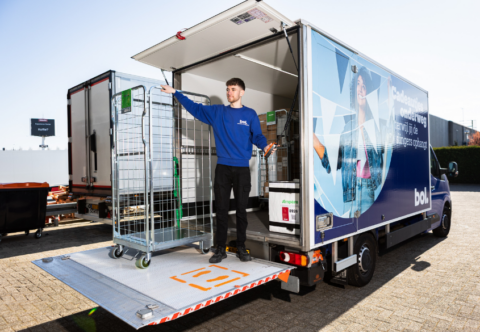
With the increasing number of parties offering products to consumers, the market is becoming increasingly fragmented. This naturally affects logistics. Whereas manufacturers and suppliers previously sold mainly large batches to retailers, they now also want to be able to sell small units. This requires a completely different process that systems are often not made for. Therefore, it is important for these types of parties to work with appropriate software. With this, they achieve connection to the sales channels, well-functioning processes within the warehouse and possibilities for sending parcels. This way, they can be sure that the right product reaches the right customer. Surprising the customer is important, but surprising the customer by delivering the wrong product does not seem like the right way to go.
Author: Johannes Panzer, head of product strategy e-commerce atDescartes