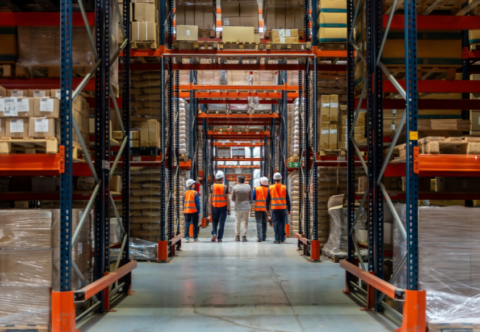
As the economy in Eastern Europe picks up, Polish, Czech or Bulgarian workers are staying in their home countries more often. This affects the already tight Dutch labour market. The number of labour migrants is decreasing and this affects logistics in particular.
ABN Amro economists predict. Eastern Europe has an average annual economic growth rate of 4 per cent, with unemployment lower than the European average. As a result, wages are rising and there are fewer and fewer reasons for workers from Eastern Europe to come to the Netherlands. Germany and Austria are also more attractive geographically for Eastern Europeans than the Netherlands. From there, they can return home at weekends.
Logistics dependent on migrant workers
This could cause problems in the Netherlands. Logistics, where there is already a large staff shortage, is particularly affected. The sector currently employs 53,000 workers from Eastern Europe. Employment agencies would already notice that it is becoming more difficult to bring Eastern European workers to the Netherlands.
Brexit and robotisation
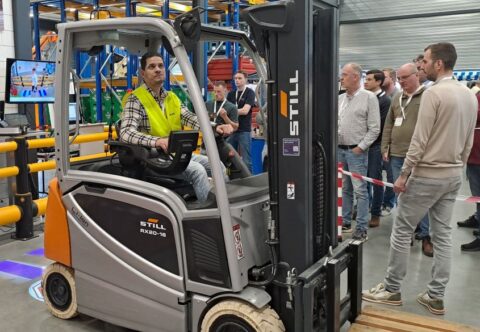
The brexit may bring some relief, predicts ABN Amro economist Nora Neuteboom. "With brexit, many Eastern Europeans leave the UK who might settle in the Netherlands." Another factor that could ease the labour shortage is digitalisation and robotisation. Investments in this area mainly provide a long-term solution.
Migration from other countries
However, a decrease in Eastern European workers in the logistics sector does not mean that abuses such as underpayment and exploitation in the sector will be solved, researchers say. The picture is changing for some groups of workers, but malicious employers will look for new cheap labour in other countries. This can be seen just by the increasing migration from countries outside the European Union, such as Ukraine, the Philippines and Nepal.