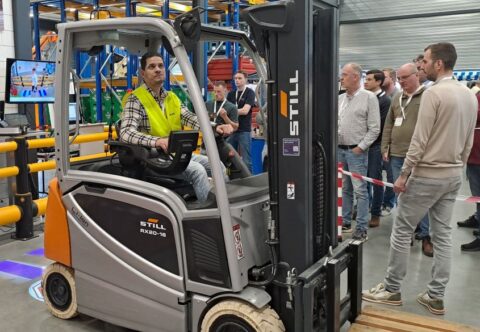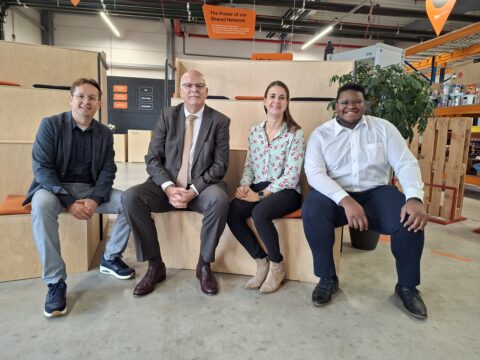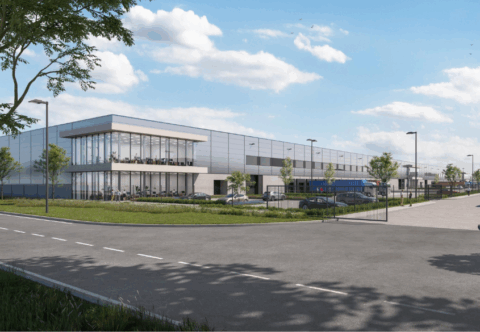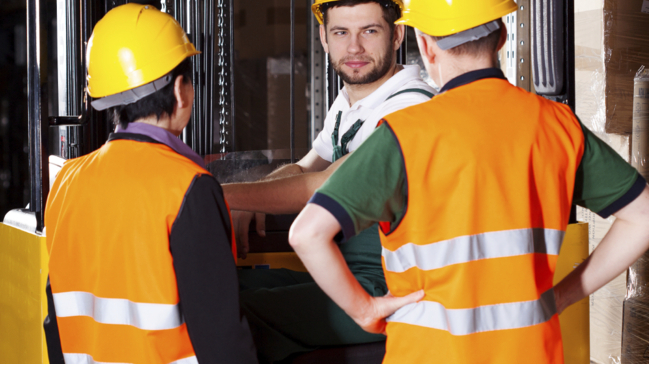
The Netherlands has world-class warehouses. But apart from that, there is a large group of warehouses in which there is a lot of room for improvement in terms of safety. "We can move those forward," states René de Koster, jury chairman of the Safest Warehouse Prize. Companies that want to know how safety is doing in their warehouse can register for the award and receive an independent opinion.
The Safest Warehouse of the Netherlands Prize will be awarded for the thirteenth time on 15 November. There are two categories: large warehouses with more and small warehouses with fewer than 25 employees. Participating companies receive a gold, silver or bronze rating. They also receive an inspection report and - if they make it to the final - tips from the jury. According to the organisation, the past 12 editions have shown that safety in warehouses received an extra boost through participation in the award.
As in the Olympics, participating is more important than winning. René de Koster, a logistics professor at Erasmus University Rotterdam in daily life, refers to previous years' winners. "Most warehouses did not immediately win gold or silver. Almost all of them have participated more often. Improving safety is a process that takes time. Signing up for the Safest Warehouse Prize can be an important first step. Also for smaller warehouses."
Employee satisfaction
De Koster has seen it again and again in the past editions of the Safest Warehouse in the Netherlands: warehouses that score high on safety also score high on quality, efficiency and employee satisfaction. "These are two sides of the same coin. Absenteeism and staff turnover are also lower in a well-performing warehouse," states the jury chairman and professor of logistics at Erasmus University Rotterdam.
Companies that want to work on warehouse safety are therefore better off making it part of a broader approach. An approach that focuses on continuous improvement of daily processes in the warehouse. "That delivers a message that is easier to convey to employees and gets more support on the warehouse floor. Just putting up a safety poster or writing down a few regulations will not get us there. Only when people deal with this every day will they actually start behaving differently."
Read also: These are the safest warehouses in the Netherlands
Five guiding principles
Leaders play a decisive role in increasing safety. Good leaders act according to the five principles below:
Set a good example - Managers should behave better than the rest 1.
Motivate and inspire 2. They need to convince employees of the importance of safety.
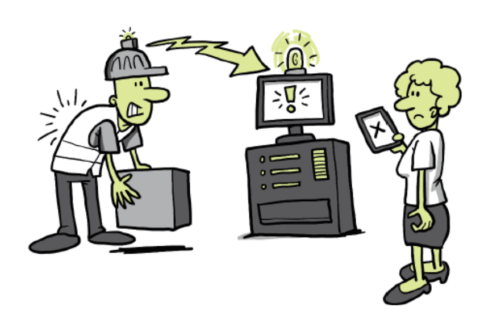
3. Listen to the floor - Signals about unsafe situations must be picked up.
4. Give space - Don't lace everything up with rigid procedures, but give trust.
5. Reward good behaviour - not necessarily with money, but mainly with appreciation and attention.
In this regard, De Koster distinguishes two types of managers. Promotion-oriented managers have a vision, formulate goals and work towards them. Prevention-oriented managers are more focused on preventing problems in achieving goals. "Research shows that that second category of managers are more effective and perform better in terms of safety. These are the managers who take small steps forward in improving processes every day."