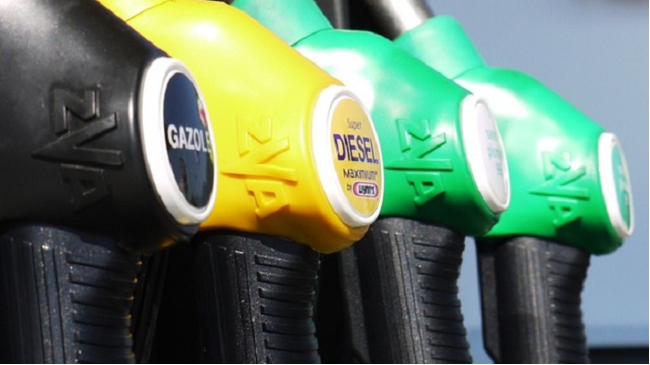
TLN is very concerned about the consequences of the boycott of Russian oil. The industry association is not against the measure in principle, but wants the government to come up with a plan 'like a hare' to deal with the loss of Russian fuel.
The European Council agreed on the sixth sanctions package against Russia during the night from Monday to Tuesday. The most prominent measure from this package is the boycott of Russian oil.
"In further elaborating the agreement from Brussels, the Dutch government should really do everything possible to prevent shortages of diesel," TLN board chair Elisabeth Post responded. "Moreover, I am worried about the European playing field for companies in transport and logistics. It was already not very level, but our government should start making sure it doesn't end up looking like a knoll field."
Transport en Logistiek Nederland, together with other parties that play a role in the fuel chain, is in talks with the government to help think how the consequences can be limited as much as possible. A so-called impact analysis has not yet been drawn up by the government and mitigating measures have not yet been identified, according to TLN. Post: "It is miraculous that we first agree to measures and only then start thinking about the consequences."
In an extreme scenario of possible shortages, TLN advocates that available diesel should be used to keep professional freight transport running as well as possible. "This way, we guarantee that the boycott will have as little effect as possible on, for example, the supply of vital parts of our economy, such as supermarkets and healthcare."