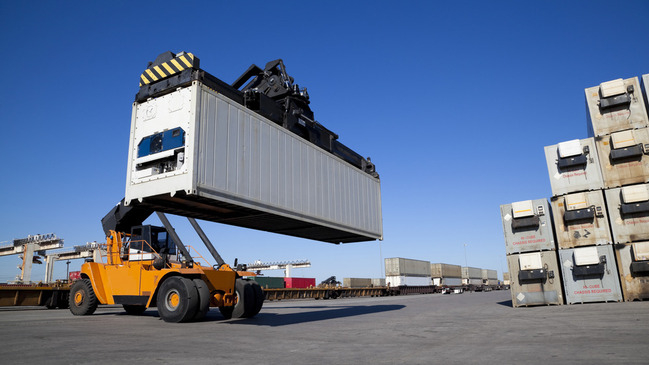
From 1 July, all containers will have to be weighed before being allowed onto the ship. This will cost shippers and forwarders between 200 to 250 million euros, while it remains to be seen whether they can pass on these costs. That's according to shippers' organisation EVO.
The legislation aims to increase safety at sea and reduce the number of containers lost. EVO calls on all parties in the chain to contribute to this. From 1 July, containers that have not been weighed are no longer allowed on board a ship. The weight of the container must be communicated by the shipper or forwarder to the shipping company. The latter must then ensure that the stevedore is aware of the weight, after which the container can be loaded on board the ship. "It is important that all parties in the chain agree with each other on who communicates what information and in what way," EVO said.
Weighing empty containers
There are two ways to determine the weight of a container: by physically weighing it on a calibrated weighbridge, or by calculating the weight. According to EVO, a large proportion of the costs is attributable to the weight of the empty container. The shipper has no control over this, but is required to include this information in the data. Shipping lines do not have lists of empty container weights, which means their customers have to sort this out themselves. “That’s almost impossible,” says Lodewijk Wisse, EVO’s policy adviser on maritime affairs.
Editorial LogistiekProfs
Stay up to date
Sign up for the newsletter and receive the latest news, trends, innovations and developments from the sector.











