The Remkes Commission has taken measures to mitigate the consequences of the nitrogen ruling. According to TLN, those measures are insufficient to quickly resume road construction, maintenance and renovation.
The Remkes Committee (headed by former minister Johan Remkes) was set up by the central government to provide a solution to the problems caused by the Council of State's so-called 'nitrogen ruling'. That ruling led to many construction projects in the Netherlands being halted, including road widening and other improvements to Dutch infrastructure.
'Measures do not offer enough reduction'
The commission's advice, published Wednesday, contains a number of short-term measures to mitigate the consequences of the nitrogen ruling and ensure that many construction projects can go ahead.
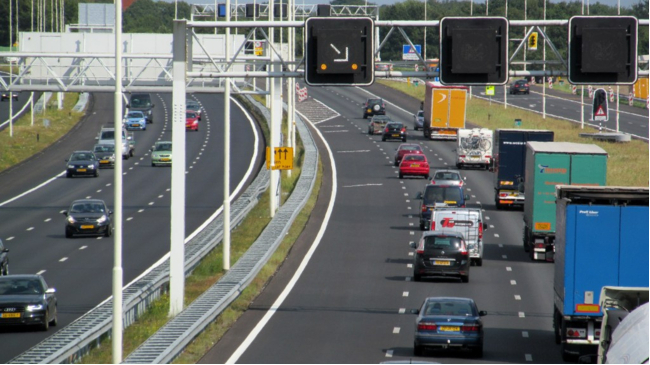
For example, the committee proposes to reduce livestock numbers in the Netherlands and to lower the maximum speed limit on motorways and provincial roads, especially near nature reserves. TLN fears that these measures will not provide enough reduction in nitrogen emissions to quickly resume many construction and infrastructure projects that are now on hold.
Longer term
In 2020, the committee will present longer-term proposals. These include measures to limit nitrogen emissions from various forms of transport. The industry association assumes that the committee will take into account the difference between ammonia, which is emitted mainly by livestock, and nitrogen oxides, which are released by road traffic, among others. According to TLN, ammonia has a much greater effect on natural areas; where the nitrogen oxides emitted by road traffic are spread via the air, the ammonia excreted by cattle precipitates directly.
No line through maintenance and renovation infrastructure
TLN is now calling on the government for swift action. The industry organisation hopes that the government will look at proposals made earlier by employers' association VNO-NCW, such as the idea of allowing projects to go ahead if they involve nitrogen emissions only during construction. This will not, for example, put a line through maintenance and renovation of infrastructure.











