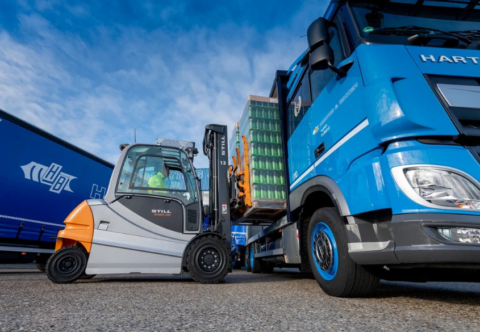
The UWV sounded the alarm this month: some 50 per cent of vacancies in the business sector are extremely hard to fill. Even for professions requiring little or no training - such as forklift truck drivers - it is difficult to find staff. What can companies do to prevent staff shortages in warehouses? Invest in existing employees, argues Tom van Blom.
The labour market has been tight for several years. What is new is that these are more often vacancies with little or no educational requirements, according to the UWV. Take, for example, the profession of forklift driver, which only requires a forklift certificate.
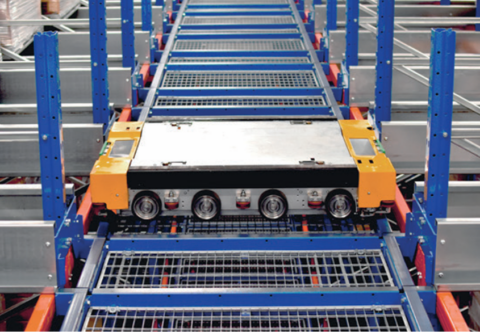
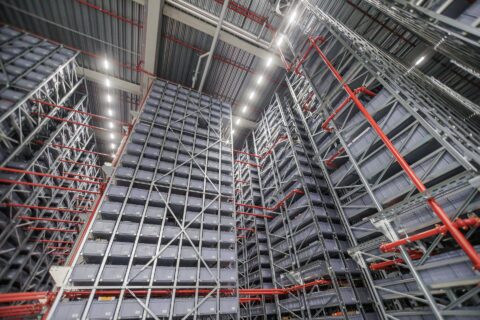
UWV blames the shortage of forklift drivers on the growing economy, especially the growth in e-commerce. This increases the demand for personnel in distribution centres and warehouses. It is not just about forklift drivers, but also loaders, unloaders, luggers and order pickers. Robotisation can be a solution, but, according to the UWV, this is mainly reserved for larger distribution centres. For smaller companies, the investments in robotisation are too large and complex.
Staff outflow
Companies in the logistics sector have another problem. More than other sectors, they face staff outflow. Forklift drivers easily move to another company where they can earn more, get more interesting work or enjoy more favourable working conditions. What are these companies doing about it? Most do nothing. As many as 55 per cent of companies are not taking any measures to stop outflow. This could cost them dearly given the tight labour market.
The remaining 45 per cent of companies do invest in their people. They give personal attention (18 per cent), increase wages (15 per cent), provide a good working atmosphere (14 per cent) and offer training and courses (13 per cent). Some 5 per cent offer their people more room for personal development.
No longer interchangeable
The UWV figures make clear what we at BLOM Opleidingen have known for some time: forklift drivers and other warehouse workers are hard to replace. It is hard to find a replacement for an experienced worker who leaves. So companies that want to retain their employees will have to make an extra effort.
That means investing in employees. People who feel good about themselves are less likely to look for another job. Give employees the attention and appreciation they deserve. Give them room for personal development. Send them to education or training courses and strengthen their competences. Make a team of the employees and create a pleasant working atmosphere. The small investment you have to make for this will be repaid in full.